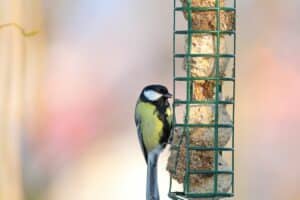
Observing garden birds flitting around a feeder is a fascinating sight. But to attract the widest variety of species and offer them appropriate food, it is essential to know which seeds suit which birds. A poor selection can discourage visitors, waste food, or even harm the health of wild birds. Here is a complete guide to understanding which seed corresponds to each species, how to feed birds according to the season, and which mixes to prioritize to support bird life without encouraging the spread of disease.
Bird species
Preferred seeds or foods
Recommended feeder type
Blue tit / great tit
Black sunflower, peanuts, suet, mealworms
Hanging or wire feeder
House sparrow
White millet, wheat, cracked corn, oats
Ground tray or low feeder
European goldfinch
Niger seed, hulled sunflower, thistle
Fine vertical feeder
European robin
Mealworms, oat flakes, small fruits
Ground tray
Common chaffinch
Striped sunflower, barley, wheat, oats
Flat feeder
European greenfinch
Black sunflower, safflower, cracked corn
Wide tray
Eurasian nuthatch
Peanuts, suet, sunflower
Hanging feeder
Common starling
Seed mix with insects and fruits, suet
Wide tray
Yellowhammer
White millet, oats, barley
Low tray or ground
Why does seed choice influence bird presence?
Each bird species has a specific diet and beak shape that determine which seeds it can consume. A great tit easily cracks a sunflower seed, while a robin prefers insects or fresh fruits. The house sparrow, on the other hand, readily eats millet, wheat, or cracked corn.
Choosing appropriate seeds not only helps attract a large number of species, but also preserves their health. In winter, birds can expend up to 30% of their body weight in energy each day to maintain body temperature. Food rich in fats, proteins, carbohydrates, and vitamins then becomes vital. Conversely, some low-quality mixes sold in supermarkets contain too much wheat or barley, which are not very nutritious for small species, and sometimes include salted or roasted seeds unsuitable for animal consumption.
Seeds for garden birds should therefore be selected according to three criteria: 1. Nutritional value (richness in energy, fats, proteins, and minerals) 2. Accessibility (size and hardness adapted to beak shape) 3. Time of year (winter, breeding, migration)
The best seeds to attract garden birds
Each type of seed attracts different species. By combining several varieties, you can create a balanced mix that meets the needs of a large number of birds throughout the year.
Sunflower seeds: a rich food that appeals to all species
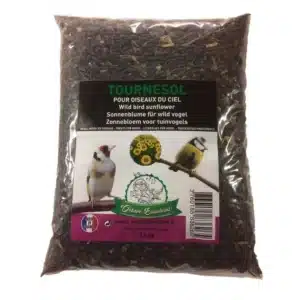
Sunflower Seeds for Birds
Energy-rich seeds, ideal for tits and greenfinches.
The black sunflower seed is undoubtedly the best food for garden birds. Rich in fats (nearly 40%) and protein, it provides an excellent source of energy during cold periods. Striped sunflower seeds, which are harder, are suitable for species with strong beaks such as the hawfinch, the chaffinch, or the European greenfinch.
Species attracted: tits, nuthatches, finches, greenfinches, sparrows, goldfinches.
Ideal period: autumn and winter.
Recommended product: Moreau Millet black sunflower head, practical and very rich in lipids.
Advantage: high attractiveness, rich and easily digestible seed.
Caution: hulls left on the ground can dirty the area and attract cats or rodents, which is why a hanging feeder or a vertical tray is recommended.
Millet, a seed appreciated by sparrows and ground-feeding birds
Yellow Millet for Birds
Fine, easily digestible seed, perfect for sparrows and buntings.
Millet seeds are small, easy to swallow, and highly appreciated by sparrows and buntings. White millet is better suited than red millet, which is often ignored. It contains carbohydrates and a small amount of protein, making it ideal for small-sized birds.
Attracted species: sparrows, doves, cirl buntings, European starling.
Ideal period: all year round, especially in spring.
Recommended products: Moreau Millet Yellow Millet or Red Millet Moreau Millet to vary the mix.
Practical tip: millet works well in homemade mixes made of wheat, sunflower, and oats, or with seed mixes with insects and fruits from Moreau Millet, perfect for diversifying the diet.
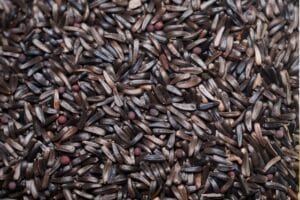
Niger seed, the fine seed that attracts goldfinches and redpolls
Niger seeds (or thistle seed) are tiny but very rich in fats and vitamins. They attract elegant goldfinches, recognizable by their red faces and their appetite for fine seeds.
Attracted species: goldfinches, common redpolls, siskins.
Ideal period: all year round.
Advantage: excellent for small seed-eating birds.
Drawback: requires a special feeder with small openings to prevent waste.
Unsalted peanuts: an energy source for winter
Peanut kernels (or groundnuts) are very rich in fats and protein. They make an excellent winter food for birds, provided they are unsalted and unroasted.
Attracted species: blue tits, great tits, nuthatches, great spotted woodpeckers.
Ideal period: winter and breeding season.
Recommended product: Peanut kernels Moreau Millet (unsalted), suitable for garden birds.
Precaution: always place peanuts in mesh feeders to prevent birds from swallowing pieces that are too large.
Which seed mix should you choose to feed all garden birds?
Seed mixes for garden birds offer an ideal balance between fatty seeds, cereals, and dried fruits. They ensure complete nutrition while simplifying feeding.
Recommended products:
These mixes replicate the natural diet of wild birds in Europe. They contain vitamins, animal protein (via insects), and minerals from fruits.
Tip: spread food across several feeding points to reduce disease transmission between individuals.
Fatty foods and supplements to support birds in winter
During winter, fat balls and suet blocks provide a quick energy source to cope with the cold. You can also add a few Moreau Millet mealworms or fresh fruits (raisins, dried berries) to vary nutritional intake.
Practical advice: place fatty foods sheltered from rain and wind to prevent rancidity. In warm periods, limit fats to avoid fermentation and attracting unwanted insects.
How to feed birds without putting them at risk
Feeding birds requires care: a poorly placed or dirty feeder encourages disease and predation. A few simple actions are enough to provide safe food and a healthy environment.
Maintaining your feeder: the key to preventing disease
A poorly maintained feeder can become a source of contamination. To prevent the spread of disease, regularly clean trays, drinkers, and feeders with lukewarm water and a little white vinegar.
Avoid leaving damp seeds that mold quickly. Black sunflower seeds or cracked corn must remain dry to preserve their nutritional value.
Protecting garden birds from cats and other predators
Install feeders at least 1.5 meters above the ground and away from bushes to limit predation by cats. A window or balcony can also serve as an ideal observation point, provided the feeder is placed high enough.
Practical tip: add a small birdbath or a dish of clean water (changed every two days) to complement food foraging. In winter, break ice each morning to allow birds to drink.
Adapting bird food to the seasons
In winter, the priority is to provide energy-rich seeds (sunflower, peanuts, suet). In spring, protein needs increase with the breeding season, which is why Moreau Millet mealworms and insect-containing mixes are useful. In summer, birds find much of their food in nature (insects, berries, wild seeds), but supplementary feeding helps young birds thrive. In autumn, reserves are built up: millet, cracked corn, and fatty seeds (black sunflower, safflower) help ensure the transition before cold weather.
Creating a welcoming refuge for garden birds
Feeding birds goes beyond seeds. To ensure their protection and well-being, the environment also matters:
Plant berry-producing hedges (hawthorn, elder, rowan) to provide shelter and fruit
Avoid chemical products in the garden to prevent contaminating the insects they eat
Install several spaced feeding points to reduce competition
Provide open ground areas for granivorous birds such as sparrows and buntings
Offering a suitable space makes it possible to observe bird life up close while promoting local biodiversity.