Summer changes the behavior of garden birds. Tits, so visible in spring, suddenly seem to disappear from feeders and birdbaths. Many enthusiasts wonder: where are the tits in summer? Have they migrated to other territories, or are they simply hiding in nearby forests? To understand this particular period, it is necessary to delve into the natural history of these small passerines, decipher their diet, their reproduction-related needs, and observe how they protect themselves when the warm months make their presence more discreet.
Which birds remain visible in gardens when tits seem to disappear
During the warmer season, gardens fill with a variety of birds. House sparrows, robins, finches, warblers, and starlings often take the place of great tits and blue tits, which become harder to observe. More seasonal visitors such as swifts or swallows can also be seen, true migrants traveling several thousand kilometers from North Africa. This diversity gives the impression that tits have left the scene, when in fact they remain present, but in a more discreet way.
A striking example: in an orchard, an observer can easily spot a group of sparrows or a blackbird searching for berries, while tits slip through hedges in search of insects. Their presence blends into that of other species, which explains this feeling of absence.
Why tits seem absent from gardens during summer
The main reason lies in their diet. In winter, tits readily visit feeders and take advantage of seeds provided by people. From spring and throughout summer, their behavior changes: they mainly feed on insects, caterpillars, larvae, and sometimes small spiders. Seeds become secondary, except during periods of scarcity.
By focusing on this insect hunting, they spend less time in direct proximity to homes. They prefer forests, fields, oak trees, and areas rich in vegetation, where food is abundant. Their priority is no longer finding seeds, but collecting protein-rich prey to feed their young.
How reproduction and nesting influence the presence of tits in summer
Summer also corresponds to a key period: the end of reproduction. Great tits (sometimes referred to as great tits or major in scientific publications) and blue tits begin nest construction in spring, often in a cavity, a nest box installed by humans, or a hole in dead wood.
A brood can include 7 to 12 eggs. Parents spend several weeks feeding the chicks, sometimes making more than 500 trips per day to bring insects. Once the young have fledged, adults become quieter. They enter a rest and molting phase. During this time, feathers are renewed, making flight more difficult and encouraging them to stay out of sight, often in dense trees or hedges.
This behavior explains why they seem to disappear: they remain in their territory, but limit visible movement.
What tits eat during summer and where they find their food
Their diet changes significantly with the seasons. The following table summarizes the differences:
Time of year
Main resources
Example of behavior
Winter
Seeds, berries, human-provided food (feeders)
Regular visits to the garden
Spring
Caterpillars, insects, larvae
Feeding the young
Summer
Various insects, berries, small cereal seeds
Discreet hunting in hedges and forests
Autumn
Berries, acorns, seeds
Building up energy reserves
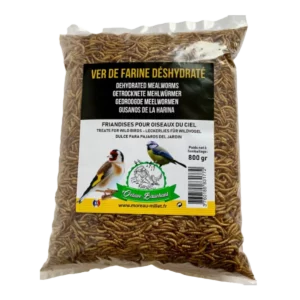
Offering mealworms in a small dish or an open feeder is an ideal solution, as they replicate the protein-rich food that tits seek during summer.
Mealworms to Attract Tits
Mealworms provide tits with the protein they seek in summer and encourage them to remain visible in your garden.
In summer, tits become true insectivores. They hunt insects in fields, hedgerows, and woodlands. They can sometimes be seen catching moths or aphids, which they swallow or carry off to feed their young. They may also supplement their diet with berries (such as elderberries) or small grains. This flexibility ensures their survival and that of their broods, but it also keeps them away from artificial feeders.
Where tits hide during the summer
When temperatures rise, tits adopt protective behaviors. They choose cool, leafy places: dense hedges, thick forests, field edges, or wooded areas. Their brighter spring plumage becomes less visible during molting, making them even harder to spot.
Their tendency to stay hidden is also explained by the increased presence of predators in summer. Domestic cats, jays, great spotted woodpeckers, and even some birds of prey can threaten tits. To reduce risks, they limit their singing and move in short, rapid wingbeats. Their song, so recognizable in spring, fades to make way for a quieter way of life.
How to attract tits to your garden during the summer months
Even if they become scarce, it is still possible to attract them. Installing a birdbath or a small pond meets their need for water during the hottest days. Tits often look for hydration points, especially when feeding a second brood.
A welcoming garden should also provide natural shelters: hedges, fruit trees, nearby woodland. Nest boxes placed at the right height increase the chances that they will settle as early as spring. By allowing certain areas to grow with insects and berries, you provide them with a varied food supply.
Finally, limiting pesticide use is a decisive factor. Tits, like many songbirds, depend on insects for survival. Poor environmental quality reduces their reproductive success. Studies presented at conferences such as the International Ornithological Congress have shown that the availability of caterpillars directly influences brood size.
Installing a mix of seeds and insects in a feeder completes the garden setup: it attracts tits in summer and also feeds other songbirds.
Seed and Insect Mix
This blend combines dried insects and seeds, offering a varied diet that attracts tits and enhances garden life during summer.
Which tit species can be observed in summer and how do they behave?
The great tit remains the most well known, but several other species coexist:
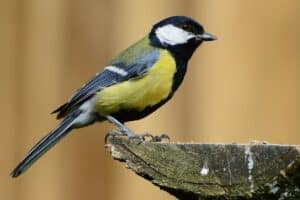
The blue tit, recognizable by its colorful cap and very common in gardens across France.
The coal tit, more forest-dwelling, seeking its habitat in coniferous woods.
The crested tit, elegant with its distinctive raised crest.
The marsh tit (Poecile palustris), rarer and more discreet.
The long-tailed tit, with delicate plumage and a very different behavior, often observed in groups.
Each species adapts its behavior according to available resources. In Central Europe, the azure tit (often compared to the blue tit in English-language publications) also occupies an interesting place in ornithological research. The work of naturalists such as Carl von Linné made it possible to classify these birds and track their evolution.
Why tits are harder to spot during the summer
Several reasons explain their apparent rarity:
Their territory expands toward areas richer in insects, away from houses.
They reduce their vocal activity, almost completely stopping singing after the breeding period.
The molt makes them more vulnerable, so they remain more hidden.
More active predators force them to stay discreet.
Despite this, they do not disappear. They simply go through a period of withdrawal. Some studies, such as those relayed by the Royal Society, show that they continue to occupy the same areas, but adapt their behavior to the season.
Summer, a key period that explains where tits go
Ultimately, summer does not mark a departure toward long-distance migration, like that of swallows or swifts. Tits are not long-range migrants: they remain in their usual habitat in Europe or France, but adjust their rhythm of life. They focus on survival, molting, and the search for local resources.
This period therefore represents a time of transition. After feeding their broods, these small birds reduce their visible appearances, but continue to play a major role in maintaining natural balance: regulating insects, dispersing seeds, and supporting biodiversity in gardens and forests.