
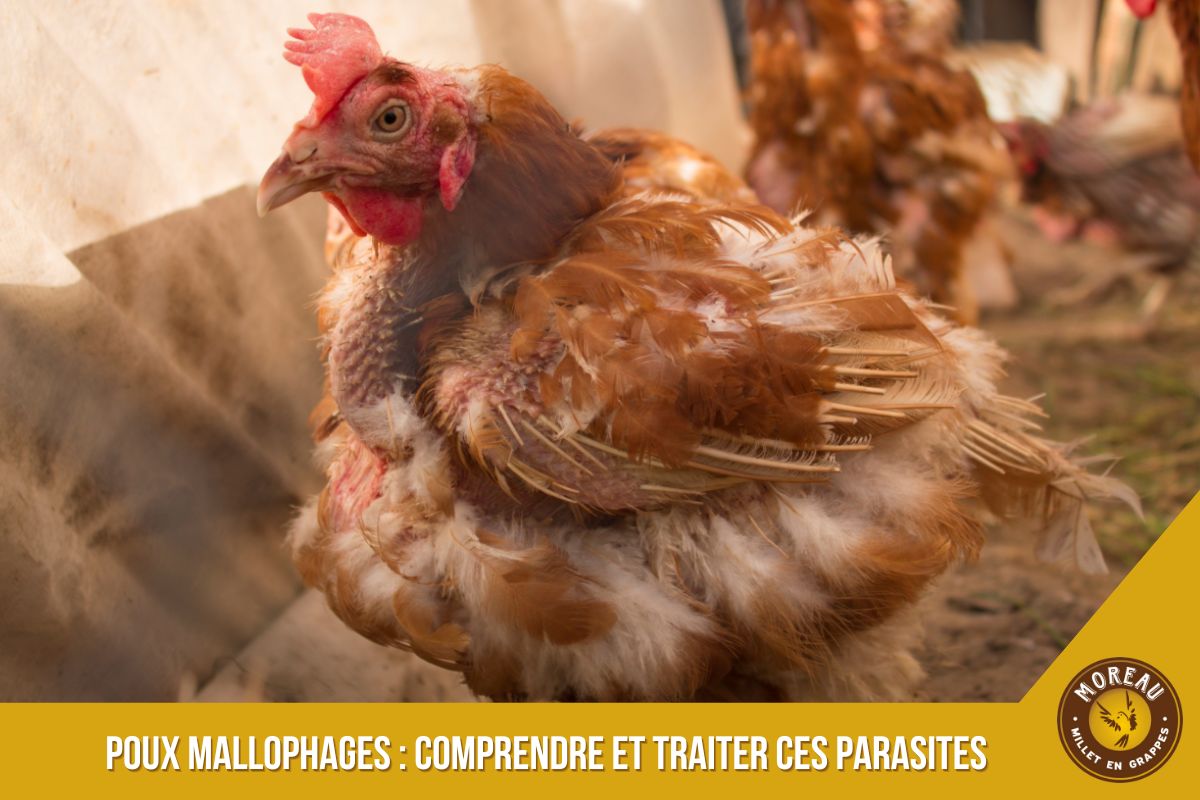
Chewing lice form a specific group of parasites mainly observed on birds and certain mammals. They do not bite to feed on blood but instead consume skin debris, feathers, or hair. Unlike sucking lice, chewing lice cause little direct itching, but their persistent presence can lead to lesions, feather or hair loss, and stress in the host. Understanding their lifestyle, associated symptoms, and methods of prevention and treatment is essential to maintain the health of domestic or farm animals.
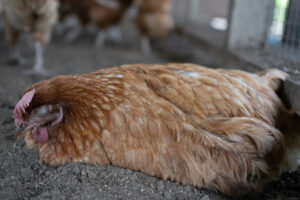 Symptoms can go unnoticed if the owner is unfamiliar with this type of parasite. In birds, the most visible signs include skin lesions, dull or perforated plumage, frequent scratching, and unusual nervousness. In cats or dogs, itching is less pronounced than with fleas, but the coat loses density and sometimes shows areas of alopecia.
Chewing lice can sometimes be observed directly by parting the fur or feathers, especially at the base of the neck, under the wings, or at the root of the tail. Using a very fine lice comb can help collect specimens for identification. A veterinarian can easily recognize them under a microscope thanks to their broad head, chewing mouthparts, and evasive behavior.
Symptoms can go unnoticed if the owner is unfamiliar with this type of parasite. In birds, the most visible signs include skin lesions, dull or perforated plumage, frequent scratching, and unusual nervousness. In cats or dogs, itching is less pronounced than with fleas, but the coat loses density and sometimes shows areas of alopecia.
Chewing lice can sometimes be observed directly by parting the fur or feathers, especially at the base of the neck, under the wings, or at the root of the tail. Using a very fine lice comb can help collect specimens for identification. A veterinarian can easily recognize them under a microscope thanks to their broad head, chewing mouthparts, and evasive behavior.
Definition of chewing lice and description of their lifestyle
Chewing lice belong to the order Phthiraptera, suborder Mallophaga. They generally measure less than 3 mm. Their flattened morphology and beige or gray coloration make them difficult to detect with the naked eye, especially when they move deep within fur or under feathers. Their mandibles are designed for chewing, not piercing. They feed on keratinous particles such as damaged feathers, skin flakes, or sebum residues. Unlike blood-feeding lice, they are not transmitted to humans. Their entire life cycle takes place on the host, which facilitates direct transmission from one animal to another. An undetected infestation can quickly spread within a farm or a multi-animal household.Which animals can be infested by chewing lice
Domestic birds, particularly poultry such as chickens, turkeys, and pigeons, are the most exposed. Canaries, parakeets, and parrots can also carry them. Some mammals, such as rabbits, cats, or dogs with neglected coats, may also host them, although this is less common. In poultry, infestation leads to reduced egg laying, loss of appetite, behavioral stress, and sometimes weight loss. Visible deterioration of the plumage is also observed, including holes in feathers, broken feathers, or feathers pulled out by the animal itself. In rabbits and cats, the presence of scabs, irritation, or missing hair in certain areas is a common sign.How to identify a chewing lice infestation in an animal
Symptoms can go unnoticed if the owner is unfamiliar with this type of parasite. In birds, the most visible signs include skin lesions, dull or perforated plumage, frequent scratching, and unusual nervousness. In cats or dogs, itching is less pronounced than with fleas, but the coat loses density and sometimes shows areas of alopecia.
Chewing lice can sometimes be observed directly by parting the fur or feathers, especially at the base of the neck, under the wings, or at the root of the tail. Using a very fine lice comb can help collect specimens for identification. A veterinarian can easily recognize them under a microscope thanks to their broad head, chewing mouthparts, and evasive behavior.
Consequences of an untreated chewing lice infestation
Even though they do not feed on blood, chewing lice weaken animals over time. Skin lesions can become infected. Repetitive scratching or pecking behaviors in birds generate stress and reduce reproductive capacity. In mammals, a neglected infestation favors the establishment of other opportunistic parasites, such as fungal infections or mites. In a farming context, the economic consequences can be significant. Reduced productivity, increased mortality among young animals, and additional veterinary costs make treatment essential. Resistance of some lice to improperly used products can also complicate future interventions.Preventing a chewing lice infestation in animals
Clean living conditions remain the most reliable way to prevent infestations. Regular cleaning of cages, coops, bedding, and accessories limits refuge areas for parasites. It is advisable to avoid overcrowding, promote ventilation, and isolate new animals for a few days before integration. For birds, dust baths containing food-grade diatomaceous earth or sifted ash allow for natural control. Rabbits should have access to clean, dry areas with bedding changed frequently. For cats and dogs, regular brushing and veterinary check-ups help quickly identify an emerging infestation. A dry environment is unfavorable to the survival of chewing lice. The use of hemp bedding mats effectively absorbs moisture, reduces unpleasant odors, and limits areas conducive to parasite proliferation.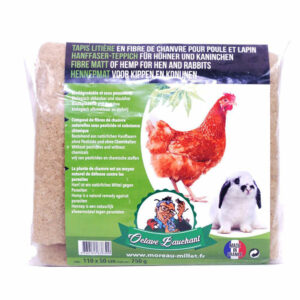
Common mistakes to avoid when treating chewing lice
The most common mistake is confusing chewing lice with other parasites, such as fleas or mites. An inappropriate treatment solves nothing and can worsen symptoms. Using chemical products without an accurate diagnosis unnecessarily stresses the animal. Some products can be toxic to birds if poorly dosed or applied to sensitive areas such as the beak or eyes. An animal in poor health should never be treated without veterinary advice. The stress caused by application can further deteriorate its overall condition. It is also risky to stop a treatment too early, before eggs and larvae have been completely eliminated.Managing chewing lice in a breeding facility or group of animals
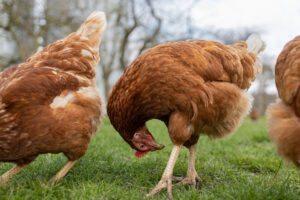 In breeding facilities, a collective treatment plan must be implemented. All animals must be treated at the same time, even those not yet showing symptoms. Facilities must be disinfected using a broad-spectrum virucidal, bactericidal, and insecticidal product.
Rotating antiparasitic products helps prevent the development of resistance. It is recommended to record treatment dates, products used, and to monitor symptoms over time. Increased surveillance of new arrivals, young animals, or weakened individuals is necessary to limit spread.
In breeding facilities, a collective treatment plan must be implemented. All animals must be treated at the same time, even those not yet showing symptoms. Facilities must be disinfected using a broad-spectrum virucidal, bactericidal, and insecticidal product.
Rotating antiparasitic products helps prevent the development of resistance. It is recommended to record treatment dates, products used, and to monitor symptoms over time. Increased surveillance of new arrivals, young animals, or weakened individuals is necessary to limit spread.


