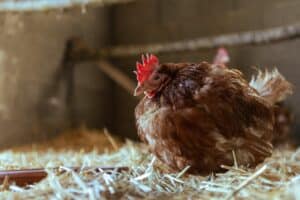
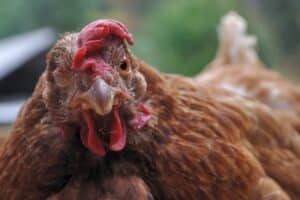
A hen with diarrhea immediately catches the breeder’s attention, whether it is a small family flock or a larger group. Diarrhea in hens is not a disease in itself but a symptom that often reveals a deeper issue affecting the digestive system, diet, or the bird’s overall health. Understanding what lies behind watery, discolored, or abnormal droppings makes it possible to react quickly and protect the life of the flock. In this article, we will detail the possible causes, the signs to watch for, natural and medical solutions, as well as best practices to prevent diarrhea and keep poultry healthy.
Symptoms to observe when a hen suffers from diarrhea
Observing a bird’s droppings provides many indications about its state of health. A hen that suffers from diarrhea often has watery stools, sometimes accompanied by unusual coloration. The white part (uric acid) may appear too abundant, or on the contrary be absent. The presence of blood, mucus, or a green or yellow tint may indicate an intestinal infection, avian coccidiosis, or a bacterial disease.
Beyond the appearance of the droppings, other signs should be monitored: loss of appetite, reduced egg laying in laying hens, fatigue, rapid weight loss, ruffled feathers, or visible dehydration (pale, folded comb, reduced vitality). In some cases, nasal discharge or involvement of the respiratory system may also be observed if diarrhea accompanies a viral disease such as infectious bronchitis or Newcastle disease.
Common causes of diarrhea in hens
Diarrhea can have multiple origins. Some are mild and related to a dietary change, while others reveal a serious infection that can affect the entire flock.
Likely cause
Description
Possible consequences
Inappropriate diet
Ingestion of wet food, overly rich fruits, spoiled vegetables, or contaminated feed
Intestinal irritation, digestive imbalance
Internal parasites (coccidia, intestinal worms)
Presence of coccidia or other parasites in the intestine
Avian coccidiosis, bloody diarrhea, weight loss
Bacterial infections
Bacteria such as Salmonella enterica or E. coli
Contagious diseases, rapid spread within the flock
Severe digestive disorders, damage to the immune system
Stress and environment
Overcrowding in the coop, lack of fresh water, poor hygiene
Reduced immune defenses, occasional diarrhea
Nutrient deficiency or excess
Excess minerals, unbalanced diet
Prolonged diarrhea, weakening of the immune system
A more likely cause is often diet. Poultry tolerate a diet that is too rich in fruit or fermented food poorly. Excessive intake of wet vegetables such as lettuce can also cause diarrhea.
Common diseases that cause watery droppings
Diarrhea can be a symptom of various diseases, some mild, others serious for the life of the flock.
Coccidiosis: caused by coccidia (intestinal parasites), it leads to red or cecal watery droppings, sometimes with blood. Very common in chicks, it requires an anticoccidial treatment prescribed by a veterinarian.
Bacterial infections: salmonellosis and colibacillosis cause persistent diarrhea, often associated with a degraded general condition. These diseases can sometimes be contagious to humans.
Avian viral diseases: Marek’s disease, infectious bronchitis, or Gumboro disease can cause digestive disorders accompanied by respiratory signs.
External parasites: a hen infested with red mites or chewing lice becomes weakened, which compromises its digestive system and promotes diarrhea.
These diseases circulate worldwide and affect both amateur flocks and the poultry industry.
When to call a veterinarian for a sick hen
A sick hen that suffers from prolonged diarrhea should quickly be seen by an avian veterinarian. Cases requiring professional diagnosis include:
Diarrhea with visible blood or dark red coloration.
Weakened general condition, marked loss of appetite.
Spread of the virus or symptoms to several birds in the flock.
Significant weight loss over a few days.
Severe dehydration with a soft, folded comb.
Veterinary diagnosis makes it possible to determine the exact cause through droppings analysis, sampling, or clinical examination. In some cases, treatment with specific medication such as an anticoccidial, an antibiotic, or a vaccine will be implemented.
Natural remedies to treat a hen with diarrhea
In mild cases or as a complement to veterinary follow-up, several natural remedies exist to help a hen that suffers from diarrhea. These solutions support the digestive system and restore intestinal balance.
Activated charcoal or vegetable charcoal: absorbs toxins and regulates stools.
Green clay: known for its absorbent properties, it protects the digestive tract.
Apple cider vinegar (added to drinking water): promotes a balanced digestive flora.
Garlic: strengthens the immune system and acts as a mild antiparasitic.
Diatomaceous earth: helps combat internal and external parasites.
Electrolytes: rehydration solutions to limit dehydration.
These remedies can be given occasionally, but a hen in serious condition or showing alarming signs should always be presented to a veterinarian.
Coop hygiene: a key role against diarrhea
A clean coop remains the foundation for preventing diarrhea. The implementation of good hygiene limits the presence of bacteria, mold, and parasites.
Change the bedding regularly and use fresh, dry litter.
Provide fresh water every day to avoid contamination.
Clean drinkers and feeders to prevent bacterial growth.
Avoid overcrowding in the coop, which promotes the spread of disease.
Protect poultry from direct contact with wild birds, sources of avian viruses.
An absorbent support such as hemp bedding mats also helps keep the coop dry and limits contamination by watery droppings. Rigorous hygiene not only helps prevent diarrhea but also maintains a healthy general condition for the entire flock.
Hemp Mat for Chickens with Diarrhea
A hemp mat keeps bedding dry, limits liquid droppings, and helps protect chickens suffering from diarrhea.
Diet plays a central role in preventing diarrhea in hens. A balanced diet tailored to the species ensures a healthy digestive system and a strong immune system. An excess of wet food, overly rich fruits, or spoiled vegetables often leads to digestive issues. Contaminated foods affected by mold or bacteria must be strictly avoided.
A proper dietary regimen is based on a mix of quality grains, supplemented with plant and animal proteins (depending on the type of farming). Minerals and vitamins must be present in sufficient quantities to prevent deficiencies. Laying hens require increased calcium and phosphorus intake; otherwise, they may produce watery droppings caused by nutritional imbalance.
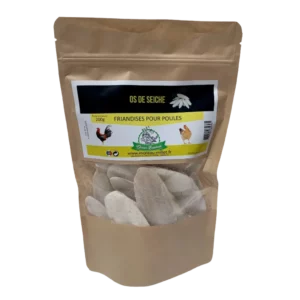
Cuttlebone for hens provides an easily absorbable source of calcium, supporting strong eggshells while contributing to nutritional balance without overloading the digestive system.
Cuttlebone for Chickens with Diarrhea
Rich in calcium, cuttlebone helps balance the diet and supports the health of chickens weakened by diarrhea.
Fruits such as apples, pears, or grapes (offered in small quantities).
Very watery vegetables such as lettuce or zucchini.
Moist by-products that ferment quickly.
To prevent diarrhea, it is also necessary to provide clean, fresh drinking water every day. Stagnant or dirty water quickly becomes a source of intestinal infection. Regular ingestion of contaminated water is one of the leading causes of digestive disorders in backyard flocks.
Severe diarrhea: risks for the poultry flock
A sick hen suffering from severe diarrhea does not only put her own health at risk. The entire flock may be exposed if the cause is infectious or parasitic. Bacterial diseases such as salmonellosis or viral diseases such as infectious bronchitis spread rapidly in a chicken coop.
The consequences can be serious:
Rapid spread of pathogens through direct contact or droppings.
Generalized weight loss affecting several birds.
Reduced egg production in laying hens.
Risk of sudden death in untreated cases of avian coccidiosis.
In the poultry industry, persistent diarrhea represents a major economic loss factor, as it reduces productivity and increases treatment costs. For backyard keepers, a hen that suffers from untreated diarrhea puts the entire flock at risk.
The role of the breeder in managing diarrhea in hens
The breeder must be able to observe and interpret the signs. When faced with diarrhea in a hen, the first step is to isolate the sick bird in order to limit the spread of viruses or bacteria. This isolation also makes it possible to control her diet and water intake and to monitor changes in droppings day after day.
The second step is to implement reinforced hygiene measures in the coop: disinfecting drinkers, renewing fresh bedding, and removing soiled feed. Finally, a vigilant breeder knows when to consult a veterinarian to prevent the condition from worsening.
The breeder’s preventive role does not stop at feeding or hygiene. It also includes vaccinating the flock against certain viral diseases (such as Newcastle disease or infectious bronchitis). These collective measures protect poultry health and help avoid serious consequences for avian health.
Veterinary treatments for diarrhea in hens
If the cause of diarrhea is identified as infectious, veterinary treatment becomes essential. For coccidiosis, an anticoccidial medication administered in the drinking water is often prescribed. In cases of bacterial infection, an appropriate antibiotic is proposed after an accurate diagnosis. Some viral diseases have no direct treatment, but preventive vaccines exist to protect the flock.
Medications are sometimes accompanied by supportive solutions: electrolytes for rehydration, probiotics to restore intestinal flora, or mineral supplements to strengthen the immune system. The veterinarian’s role is also to help the breeder identify the source of contamination in order to prevent recurrence.
Serious avian diseases associated with diarrhea
Several avian diseases known worldwide cause digestive disorders accompanied by diarrhea.
Avian coccidiosis: caused by parasites called coccidia, it mainly affects young poultry. Bloody or red diarrhea is the classic sign.
Salmonella enterica: the bacterium responsible for salmonellosis, transmissible to humans, with greenish liquid droppings.
Marek’s disease: a contagious viral disease that weakens the immune system and promotes secondary diarrhea.
Gumboro disease: attacks the immune system of young chickens, causing white diarrhea and high mortality.
Avian influenza and fowl plague: severe viral diseases that also affect the respiratory system and cause high mortality.
Newcastle disease: causes digestive and respiratory disorders, with green diarrhea and loss of appetite.
Knowing these diseases helps breeders understand the risks and implement appropriate preventive measures.
Coop management and diarrhea prevention
Beyond diet, the environment plays a key role in poultry health. A well-ventilated, dry coop protected from drafts limits disease. Overcrowding in a confined space promotes the transmission of pathogens and increases stress, a frequent trigger of diarrhea.
The implementation of simple measures such as clean perches, strict management of droppings, and rotation of outdoor runs in the garden reduces the risk of ingesting intestinal parasites. Poultry must have access to dry areas, as persistent moisture creates an ideal environment for bacteria and parasites.
Practical solutions used by breeders to combat diarrhea
Many breeders use natural remedies for prevention or support. In addition to activated charcoal, garlic, and apple cider vinegar, some add vegetal charcoal or green clay to the diet. These products are known to regulate the digestive tract and improve droppings quality.
Courses of nutrient-rich plants (dried nettle, thyme) are also offered to strengthen the immune system. Diatomaceous earth is used internally to fight parasites, but also externally to limit the presence of red mites.
These solutions do not replace a veterinary treatment, but they help maintain poultry in good overall health, especially in small family flocks.
Prevention of diarrhea in the poultry industry
In the poultry industry, diarrhea prevention relies on strict protocols: vaccines, building disinfection, control of feed and water, and regular monitoring of the flock. Balanced nutrition is formulated to avoid any inappropriate diet and the risks of ingesting contaminated feed.
Vaccination programs against coccidiosis or Newcastle disease are implemented from the chick stage. The implementation of biosecurity measures (limiting visitors, protection against wild birds) completes the strategy. These measures reduce disease spread and protect egg and meat production intended for consumption.
Practical tips to prevent diarrhea in hens
For breeders keeping a few gallinaceous birds in their garden, the key rules to avoid diarrhea in hens are simple:
Regularly observe droppings to detect any change in color or consistency.
Provide fresh, clean water every day.
Offer a balanced and varied diet, avoid wet feed and excessive fruit.
Maintain good hygiene in the coop, with fresh bedding.
Protect poultry from wild birds and reduce stress.
Consult a veterinarian in case of severe or persistent symptoms.
A hen with diarrhea is not always an alarming case, but it is a warning sign that breeders must take seriously.