The topic comes up every year as soon as temperatures drop: can you give bread to birds when they seem to be looking for a food source in the garden or near a pond? The gesture seems generous, almost touching, especially when a small bird or a duck approaches without fear. Yet this practice causes far more problems than it solves. Bread, whether hard, stale, whole-grain, or in the form of rusks, has consequences for bird health, their digestive system, their behavior, and even the natural environment as a whole. The aim of this article is to provide a clear answer, based on reliable data, while offering concrete solutions to feed birds properly, especially in winter, when feeding becomes a welcome helping hand for wildlife.
Why do people still wonder whether they can give bread to birds?
A common reflex pushes humans to share their food with wild animals. Bread contains ingredients that are very accessible, easy to store, and its texture seems to match what passerines, a tit, or a swan might eat.
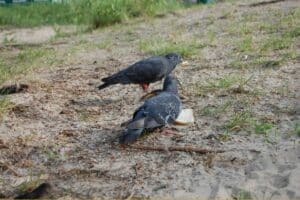
In everyday life, the piece that falls to the ground sometimes ends up in a pond where gathered ducks appear delighted. Yet this behavior creates a bias: a bird’s quick reaction never means that the food suits it. Their diet is based on seeds, insects, seasonal fruits, some plants, sometimes a leaf or a shell, depending on the species. Bread for birds placed in a park, a woodland, or under a tree acts like a deceptive product. It gives an immediate sense of fullness but deprives the bird of essential nutrients. This situation eventually creates a deficiency that puts at risk its ability to fly, defend itself, or even survive the cold.
The effects of bread on birds: a food that causes real imbalances
When analyzing the question can you give bread to birds, the answer first relies on biology. The digestive system of a bird was not designed to digest gluten, yeasts, modified starches, or the salt contained in bread. A wild bird derives its energy from natural fats, animal proteins such as insects, and plant fibers. Bread, especially when it swells with water, alters several metabolic functions. The first problem comes from yeast, which expands in the bird’s stomach. It can create a compact blockage that is difficult to eliminate, causing digestive pain and sometimes a form of obesity linked to accumulation with no nutritional value. In aquatic species such as swans, ducks, or geese, excess bread leads to a disorder called angel wing. The wings deform and the animal loses its ability to fly. The link to the disease comes from a massive intake of carbohydrates poor in vitamins, minerals, and protein. The young bird becomes unable to move normally, and this situation can lead to death.
The second consequence comes from the presence of salt. Salted bread strains the liver, increases the risk of cirrhosis, and weakens the kidneys. This phenomenon remains rare at small doses but becomes dangerous when bird feeding is done in large quantities, especially in highly frequented areas. Finally, the third danger comes from moldy bread, which develops bacteria responsible for botulism or salmonellosis. These diseases spread easily in humid areas such as ponds or places where food waste accumulates.
Why giving bread to birds endangers the environment and natural behaviors
Bread that accumulates in a park or pond profoundly alters the environment. What seems like help for birds actually creates dependency and disrupts their foraging instinct. Wild species that once fed mainly on insects and sunflower seeds gather in areas where bread is thrown. This situation leads to dependency, a loss of caution toward predators, and a decline in the diversity of animals present in the area. The phenomenon affects both garden birds and aquatic birds.
Bread residues swell, sink, ferment, and deplete oxygen in the water. This encourages the development of pathogenic bacteria, reduces bird protection, and degrades the entire natural environment. Even robust species such as the mallard duck see their diet disrupted. They stop searching for their usual plants, cracked corn, or fruits, which disrupts their seasonal cycles. In the long term, reproduction declines because parents feed their young food devoid of vitamins and minerals.
Diseases directly associated with bread: summary table
Problem
Mechanism
Affected species
Consequences
Angel wing
Excess carbohydrates and deficiencies
Swans, ducks, geese
Deformed wings, inability to fly
Obesity
Accumulation of low-quality food
Passerines, pigeons
Difficulty moving
Botulism
Bacteria in damp bread
Aquatic birds
Paralysis, mortality
Salmonellosis
Contaminated bread
Garden birds
Digestive disorders
Digestive disorders
Yeast swelling
All species
Blockages, pain
Nutritional deficiencies
Lack of suitable nutrients
Young birds
Growth delays
What to give birds instead of bread: the best options
The question can you give bread to birds should lead to a more useful reflection: how to help birds properly, especially in winter? The type of food depends on the species, but the advice remains simple. A feeder installed at height allows you to provide seeds, mixes without palm oil, or fat balls made without oil. Unsalted peanuts represent an ideal source of protein. Seasonal fruits cut into pieces, such as apples and pears, offer a natural diet. For aquatic birds, the LPO Centre recommends cracked corn and plant matter, as these foods respect their digestive system without causing disorders like bread.
Complete Mix of Seeds, Insects and Fruits for Garden Birds
A nutritious blend combining seeds, insects, and fruits to provide garden birds with energy, protein, and vitamins all year round, with no risk of deficiency.
Lipid-rich and highly attractive seeds, perfect for supporting tits, finches, and other seed-eating birds, especially in winter when energy needs increase.
How to feed birds in winter without creating dependency
Feeding birds between December and January can truly help wildlife, but it must follow a few rules. A feeder should be cleaned regularly to prevent the spread of bacteria such as salmonellosis. Feeding should also be stopped as soon as spring returns to avoid food dependency. At that time, birds naturally return to their natural diet, made up of plants, insects, and seeds available in the wild. It is also useful to provide clean water in a shallow dish, changed daily, rather than leaving soggy pieces of bread that encourage bacterial growth.
Why you should not give hard bread to birds, even in small amounts
Some people think that hard bread reduces risks. However, the texture changes nothing: bread remains a poor-quality food, toxic for birds if consumed repeatedly in excessive amounts. Dry bread crumbles easily, attracts opportunistic wild animals such as rats, and disrupts the garden environment. Its lack of nutrients, presence of salt, and potential for mold make it a food that should be completely avoided.
What to do with hard bread if it should not be given to birds
Hard bread can be reused in many ways without putting wild birds at risk. It can be used as a base for recipes, turned into breadcrumbs, made into croutons, or added to compost if its ingredients allow. The idea is simple: never use it as food for garden birds or aquatic birds, as it causes more risks than benefits.