You are currently viewing Feeding Garlic to Chickens for Their Health and Parasite Prevention

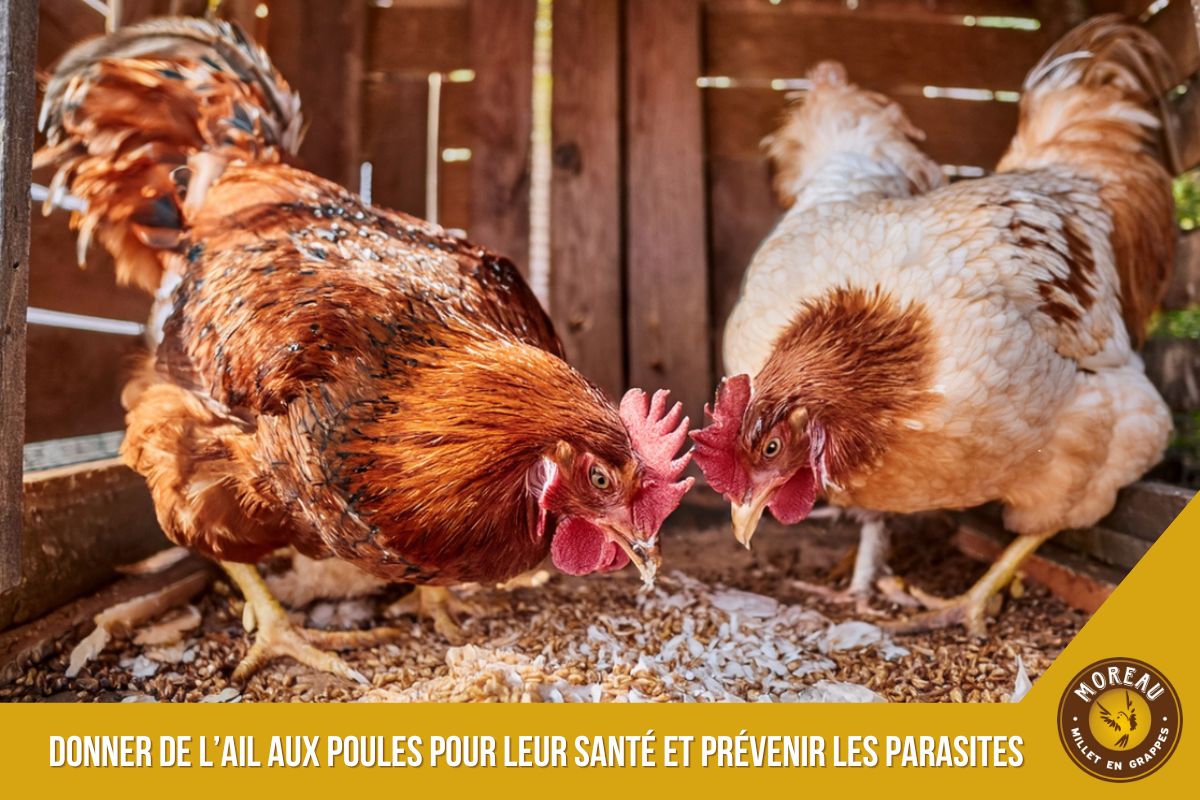
Feeding Garlic to Chickens for Their Health and Parasite Prevention

  • Post author:
  • Post category:Uncategorised
  • Post comments:0 Comments

Garlic for chickens is attracting growing interest among both amateur and professional poultry keepers. An ancient and powerful plant, it is often mentioned as a natural solution to support flock health. But what is garlic really used for in chicken feeding? In what form should it be given? Are there any risks? For this practice to be effective and safe, it is essential to understand the mechanisms, dosages, methods, and limitations. This article details everything you need to know about using garlic in chicken keeping, whether in a backyard flock or a small-scale operation.

Why give garlic to chickens and what it actually changes

Garlic (Allium sativum) contains many active compounds such as allicin, known for its antibacterial, antifungal, and anthelmintic properties. These substances can positively affect the digestive system of chickens while also influencing their overall condition. When consumed regularly, garlic improves intestinal transit, reduces microbial load, and helps limit worm infestations. Its distinctive odor, released through pores and droppings, is also believed to repel certain external parasites such as red mites.

Many keepers report a reduction in cases of coccidiosis or mild respiratory infections, but these effects do not replace veterinary treatment when required. Garlic acts as a dietary supplement, not as a medication. Its effectiveness relies on consistency, moderation, and the quality of the product used.

The different ways to give garlic to chickens

Several forms of garlic are used in poultry keeping, each with slightly different properties depending on the method of preparation.

Giving fresh or chopped garlic to chickens

Fresh garlic retains all its volatile compounds, particularly allicin. Chopped or crushed, it can be added to the daily ration, mixed with grains or mash. Half a clove of garlic for two chickens, two to three times per week, is sufficient. Large pieces should be avoided, as chickens may refuse them. Garlic should always be incorporated into a palatable feed to ensure consumption.

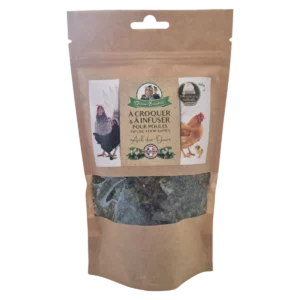
You can also occasionally offer dried wild garlic to your chickens, as a supplement or alternated with regular garlic. The 50 g Octave Bauchant packet is suitable for this use: to be infused in water or sprinkled into the feed, depending on the group’s preferences.

ail des ours

Wild Garlic for Chickens

Naturally supports digestive and immune health in chickens.

Mixing garlic powder into chickens’ feed

Garlic powder is easy to measure and mix. It is also easier to store than fresh garlic. An average dose ranges from 2 to 4 grams per kilogram of feed. It can be used as a 7- to 10-day course, repeated monthly. Some manufacturers offer enriched or microgranulated powders, suitable for more precise feed formulations.

Preparing a garlic infusion for chickens’ drinking water

Garlic infusion is a traditional method. Two crushed cloves are left to steep in one liter of water for 12 hours, then filtered. This water can be given to the chickens for two consecutive days, every two weeks. Be careful not to exceed this duration, as the smell can quickly discourage chickens from drinking, especially in hot weather.

What garlic contributes to chickens’ health on a daily basis

The benefits of garlic are not limited to its antiparasitic role. Its overall effect on chickens’ health is expressed in several ways.

Garlic to strengthen chickens’ natural resistance

Garlic stimulates the production of white blood cells and supports the immune system. Studies conducted on poultry have shown a reduction in mortality during periods of stress (seasonal changes, introduction of new chickens) when garlic is regularly included in the diet.

Garlic to reduce the presence of intestinal worms

Allicin creates an unfavorable intestinal environment for worms, limiting their development. This action is more effective as a preventive measure than as a curative treatment. Garlic does not replace a chemical dewormer in cases of confirmed infestation, but it can extend the interval between two medicinal treatments.

Link between garlic consumption and improved egg laying

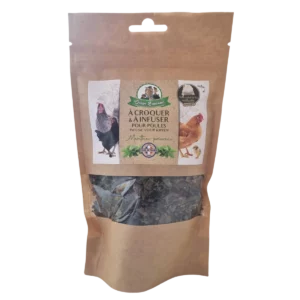
Breeders sometimes observe a more regular laying pattern, with eggs that have stronger shells. This phenomenon is explained by better nutrient absorption and a reduction in subclinical infections. Garlic may also act as a mild appetite stimulant. To enhance the effects of garlic, other plants such as peppermint or dried thyme can be used alternately. The packaging offered by Octave Bauchant allows for practical dosing in feed or as an infusion.
Menthe poivrée poule

Peppermint for Chickens

Soothes, refreshes, and stimulates the digestive system of poultry.

Possible side effects of garlic in chickens
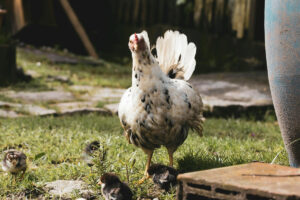
Effets secondaires possibles de l’ail chez les poules Despite its benefits, garlic can have negative effects if used incorrectly.

Too much garlic in a chicken’s diet: effects to watch for

An excess of garlic in the diet can irritate the digestive lining, cause temporary diarrhea, or give eggs an altered taste. In intensive farming, some feedback reports a decrease in feed intake when garlic is too prevalent. Excessive and prolonged consumption can also interfere with beneficial gut flora.

Can garlic affect the taste of chicken eggs?

Studies carried out on eggs from hens fed garlic have revealed noticeable aromas beyond certain concentrations. For household consumption, this is not an issue. However, in the context of commercial production, it is necessary to ensure that this taste does not bother customers. The smell of garlic can also be found in droppings, altering the atmosphere in the coop.

How often to give garlic to chickens depending on the season

Garlic is mainly used as a preventive measure during risk periods: in spring, autumn, during humid conditions, or when hens seem less vigorous. A one-week course each month remains effective, especially when combined with other practices: regular coop cleaning, sand in dust baths, and monitoring for worms and parasites. Garlic should always be accompanied by a balanced diet rich in protein, calcium, and plant fiber. During periods of intense laying or molting, it is better to reduce quantities or switch to garlic powder, which is better tolerated. Young hens (before 5–6 weeks of age) should not receive garlic, as their digestive system is still too fragile.

How garlic helps fight parasites in the chicken coop
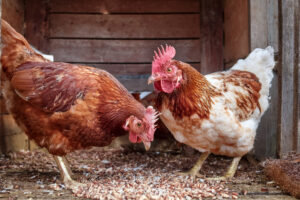
L’ail aide à lutter contre les parasites dans le poulailler Garlic also plays an indirect role against external parasites. By altering the chickens’ body odor, it makes their blood less attractive to red mites or other mites. Testimonials report a visible reduction in nighttime attacks, especially when garlic is combined with other repellents such as diatomaceous earth or white vinegar. However, this effect remains limited in cases of heavy infestation, where mechanical or chemical treatments are unavoidable.

How much does garlic cost to feed a small flock of chickens

Garlic is an inexpensive product available year-round. A head of garlic costs on average €0.50 to €1 depending on the season. For around ten hens, one head of garlic per week is sufficient. Bulk garlic powder costs between €6 and €10 per kilo, making it very affordable per treatment. Infusions can be made using garden surplus or garlic nearing the end of its storage life.

What scientific studies show about garlic for chickens

Several academic studies validate the effects of garlic on poultry health. A study published in 2017 in Poultry Science Journal observed a 42% reduction in intestinal worms in laying hens given garlic for four weeks. Another study from 2020 noted an improvement in average weight in hens fed a diet containing 1% garlic powder, with no decrease in productivity. These figures confirm the value of garlic as part of a broader animal health strategy, as long as its use remains measured and well reasoned.

Leave a Reply