
The arrival of baby rabbits often raises questions. The most common one is this: is my doe really nursing them? This doubt is normal. Contrary to popular belief, nursing in rabbits does not happen like it does in other domestic mammals. It is discreet, brief, sometimes almost imperceptible. And yet, it can make all the difference to the survival of the young. So how can you spot the right signs? What are the reliable indicators? Here are all the concrete, simple, and precise clues that help you determine whether your baby rabbits are being properly fed.
Why you don’t see your doe nursing her babies
Contrary to what many people imagine, a doe does not nurse continuously. She does not stay in the nest for hours. She enters, feeds, and leaves. The whole process may last only two to five minutes, once or twice a day, sometimes only in the morning or at night. This rhythm may seem surprising, but it is completely natural. It corresponds to a protective behavior. By avoiding frequent visits to the nest, the mother leaves no scent that could attract predators.
This mechanism has been ingrained for generations. There is therefore no reason to worry if you do not see the doe nursing during the day. She often does it discreetly, silently, sometimes without the babies making any noise. This silence does not mean they are hungry.
How to tell if the baby rabbits are well fed

Baby rabbits are the best indicators. If you want to know whether the doe is feeding them, start by observing them in the morning. After a night’s rest, if they are round, warm, and have visibly full bellies, it means they have received milk. This sign alone is more telling than anything else.
Weight is also a valuable indicator. If you are able to weigh them every day, even briefly, you will notice a steady increase, sometimes even a rapid one. A well-fed baby typically gains between 3 and 5 grams per day at the beginning. This may seem minimal, but over two weeks, the difference becomes very clear. An underfed baby rabbit stagnates or loses weight.
Finally, their behavior is revealing: a baby that sleeps deeply, stays in the nest, does not cry, and does not wander out repeatedly is doing well. On the other hand, restless babies, with little or no visible fur after several days, that cry frequently or leave the nest often, should raise concern.
What a normal nest looks like when the doe is nursing her young
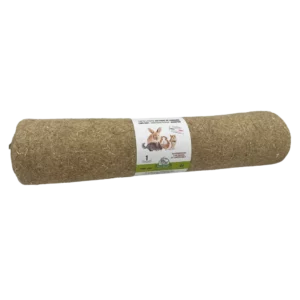
When the doe prepares the nest, she pulls out her own fur to cover the babies. This action is not insignificant. It creates a thermal cocoon and signals that she is ready to care for them. If there is a generous amount of fur, well-arranged straw, and the babies are grouped together in the center, warm and protected, it is a good sign. You can also place a rolled hemp mat combined with cotton to provide a soft, natural support for the nest, without introducing foreign odors.
What to do if you think the doe is not nursing her babies
The question comes up often: should you help? should you feed them yourself? Not necessarily. The doe may sometimes need a little help, but intervening too much can cause stress or disrupt the situation. First of all, observe during the first three days. This is often the period when nursing becomes established. She may feel overwhelmed, especially if this is her first litter. If after 48 to 72 hours the kits seem weak, light, and very frail, you can consider occasional assistance. This may involve gently stimulating the doe by placing her in the nest twice a day, or even morning and evening, making sure the babies are nursing. If no nursing is observed and the kits are not gaining weight, you should then contact a veterinarian. They will be able to tell you whether a specific milk supplement is necessary, or whether a medical cause is preventing nursing.Why you should not handle baby rabbits too much during nursing

How to help your doe nurse her babies properly
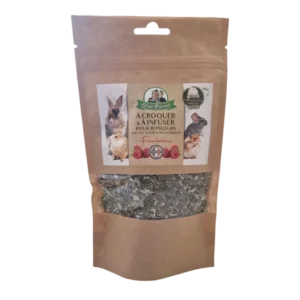
Your role is to provide the best possible conditions. This means a calm environment, a well-set-up cage, minimal disturbance, and no constant traffic around her. The mother’s diet also matters: unlimited hay, clean water, appropriate pellets, and a small amount of carefully selected greens. What she eats directly affects the quality of her milk. Some supplements (such as fennel seeds or raspberry leaves) are sometimes recommended to support lactation. For example, you can offer a small amount of raspberry leaves to chew or as an infusion, in moderation, to help during this delicate period.